
3 on MOHS scale
Softer than granite
Natural stone
Cut from quarried slabs
Higher maintenance
Oiled instead of sealed
Indoor + outdoor
Handles heat exceptionally well
What Is soapstone
A Stone That Gets Better With Age
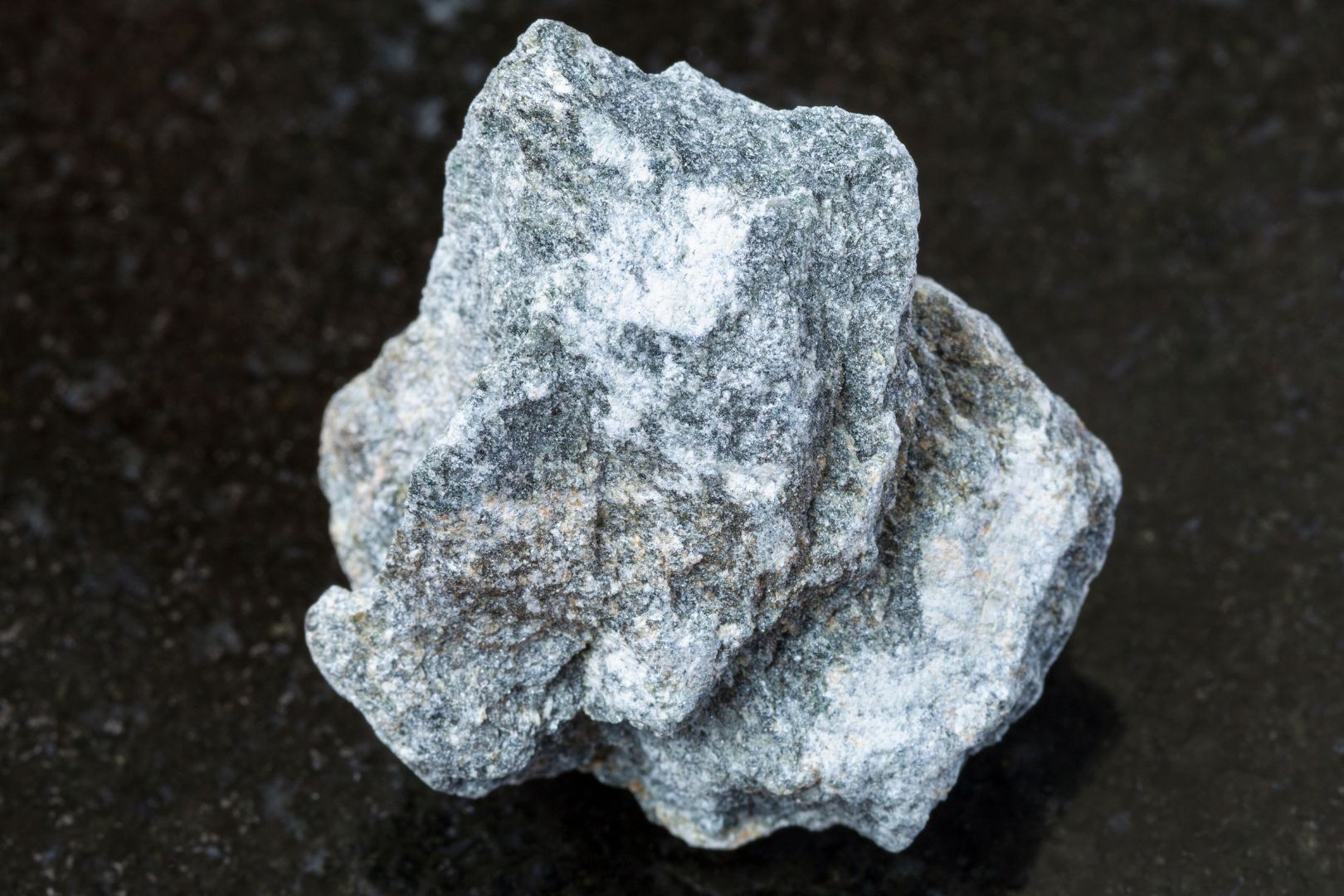
Soapstone is a natural stone, quarried and valued for its high talc content, which gives it a soft, soapy feel and a smooth matte finish straight out of the ground. That same talc content makes soapstone naturally resistant to heat, stains, and bacteria, without ever needing to be sealed, and it darkens over time into a rich, warm patina as it is treated with mineral oil.
People sometimes mistake it for slate, but the two behave quite differently. Slate is denser, splits into flat layers, and holds a fairly uniform color throughout its life. Soapstone tends to run in softer grays and greens and keeps evolving the more you use it, which is part of why so many of our clients love it for a warmer, lived in look.
Quick way to remember it: soapstone darkens with oil over time, slate stays the same.
Buying Guide
Common questions about soapstone
A few things worth knowing before your showroom visit.